
When scaling paid social campaigns for an e-commerce brand, the primary bottleneck is rarely campaign setup or budget allocation—it is visual fatigue. Running dynamic ads on TikTok, Instagram Reels, and Meta catalog placements requires a relentless volume of fresh video hooks, lifestyle contexts, and product cutouts. For growing DTC brands and marketing teams, booking another commercial photo studio or shipping samples to individual creators for every seasonal angle quickly becomes unsustainable.
Generative AI now allows e-commerce marketers to generate ad-ready creative assets directly from flat-lay captures or existing studio packshots. The real operational challenge is not whether an AI can produce an eye-catching image, but whether it can maintain exact packaging geometry, reflect accurate materials, and adapt seamlessly across standard advertising aspect ratios.
The Core Dilemma: Studio Consistency Versus Creative Velocity
E-commerce advertisers face a persistent trade-off between controlled studio photography and the rapid iteration required by performance marketing algorithms. Traditional shoots deliver precise brand colors, razor-sharp label typography, and compliant nutritional panels, but they yield a fixed set of angles that exhaust customer interest within weeks. Conversely, relying exclusively on external creator partnerships for UGC introduces variable lighting, slow turnaround times, and uneven brand representation.
Integrating AI creative workflows bridges this divide by decoupling product presentation from physical staging. Performance marketers can isolate an approved product asset and generate diverse contextual environments around it—from minimalist morning bathroom vanity counters to high-energy outdoor workout settings—without arranging reshoots or re-shipping inventory.
Designing an AI Creative Pipeline for Multi-Channel Ad Formats
Rather than treating generative generation as an open-ended artistic exercise, high-performing growth teams build structured workflows based on specific channel requirements and funnel stages.
1. Defining the Core Product Anchor
Every reliable e-commerce ad asset starts with an uncompromised product cutout. Feeding an AI a busy, poorly lit photograph leads to distorted text and warped silhouettes. Begin with a clean, high-resolution master image where product edges, cap shapes, and label typography are crisp. This master image acts as the non-negotiable anchor around which contextual scenes, color modifications, and dynamic backdrops are introduced.
2. Matching Scene Context to the Target Persona
Direct-response ads convert when the viewer recognizes their everyday environment within the first split-second. Instead of generic studio voids, prompt for authentic, relatable settings tailored to specific customer segments:
- DTC Beverage & Wellness: Bright Scandinavian kitchen marble, natural morning window light, subtle ambient moisture.
- Apparel & Accessories: Textured urban concrete, warm golden-hour architectural shadows, modern minimalist entryways.
- Skincare & Beauty: Serene spa travertine, soft botanical reflections, balanced indirect daylight.
3. Structuring Variations for Systematic A/B Testing
Performance optimization requires isolating single creative variables across ad sets. Instead of changing every visual element at once, generate sets of controlled iterations:
- Environment variations: The exact same product bottle placed in an office desk setting versus an outdoor gym bag setting.
- Palette and mood shifts: Using targeted natural language prompts to change background tones to match seasonal promotions, such as warm terracotta for autumn campaigns or vibrant pastel hues for spring launches.
- Asset framing: Generating clean compositional margins so that text overlays, limited-time discount badges, and platform UI icons never obscure the primary product.
Scaling Short-Form Video Creatives for TikTok and Reels
Static product visuals drive foundational catalog traffic, but vertical short-form video dominates audience acquisition. Translating static product imagery into persuasive video ads often requires significant animation budgets or hands-on creator coordination.
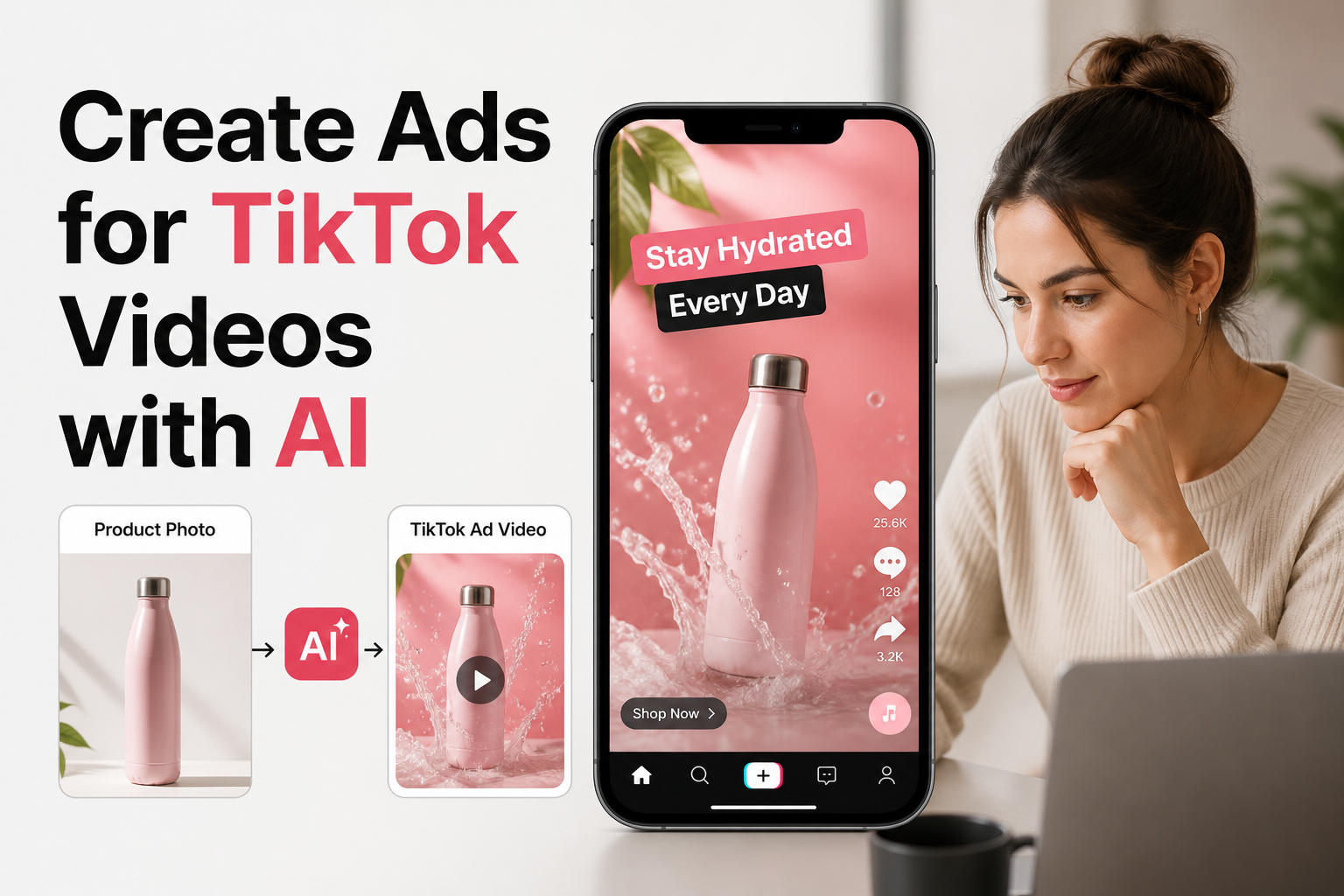
AI-assisted video generation now enables marketers to convert approved packaging imagery directly into dynamic video creative. When configuring automated video concepts, specify the concrete elements of the narrative:
- Creative Style: Decide whether the asset demands an unboxing-style UGC perspective or a polished, cinematic product showcase with deliberate camera movement.
- Audience Localization: Tailor spoken audio, localized text prompts, and language settings to the specific target market, ensuring dialect and phrasing align with local buying habits.
- Aspect Ratios: Generate natively in 9:16 for TikTok, Instagram Stories, and YouTube Shorts, while adapting 1:1 or 4:5 compositions for Meta feeds.
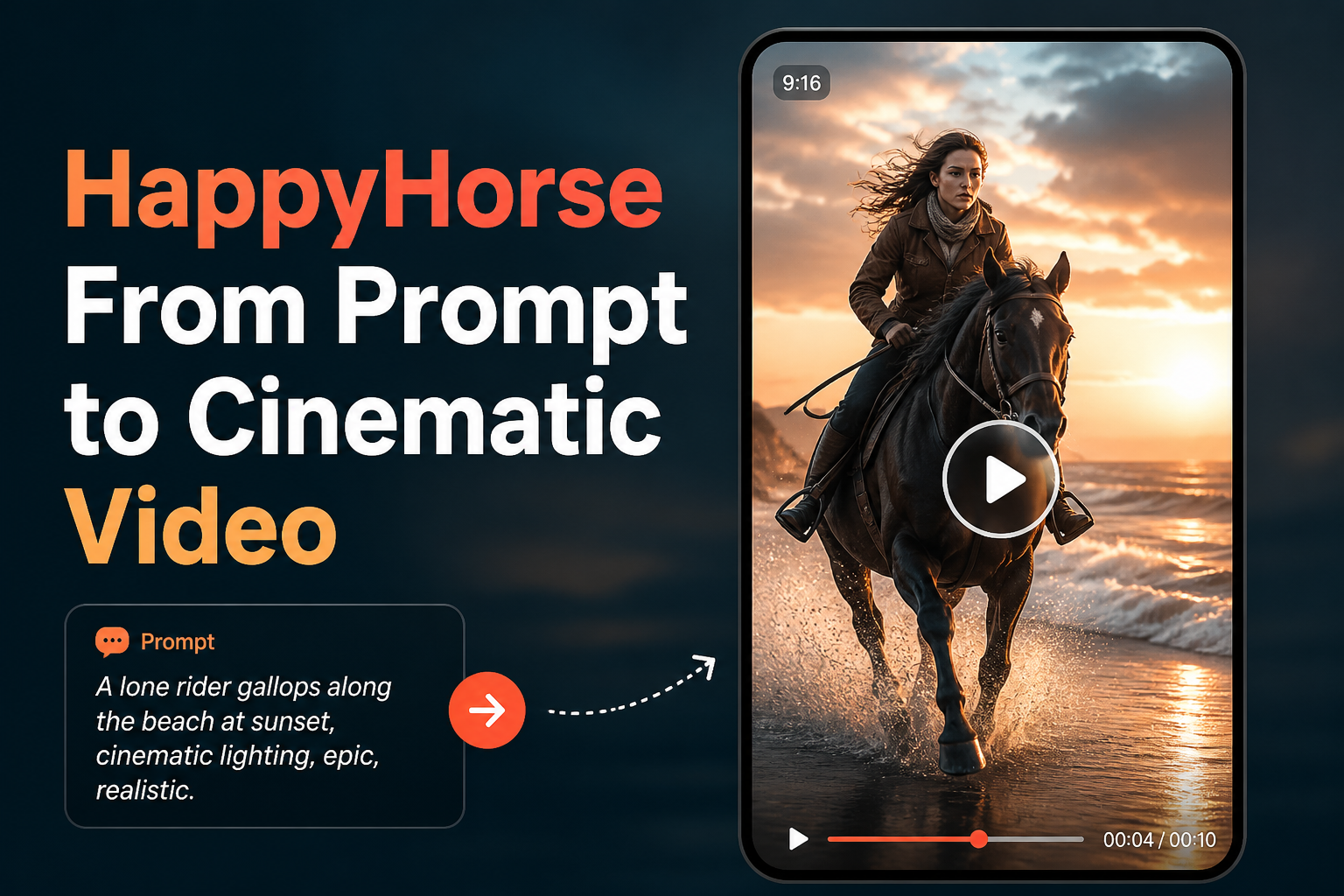
- Prompt Precision: Explicitly describe the camera path—such as a smooth 360-degree orbit or an elegant slow tilt—and state how lighting should catch surface textures like frosted glass or metallic foil.
Maintaining Label Accuracy and Brand Standards
The most common failure point in AI e-commerce ads is the subtle hallucination of product details. In dynamic retargeting and cold acquisition, an altered logo, misplaced tagline, or modified bottle silhouette damages brand trust and risks regulatory non-compliance.
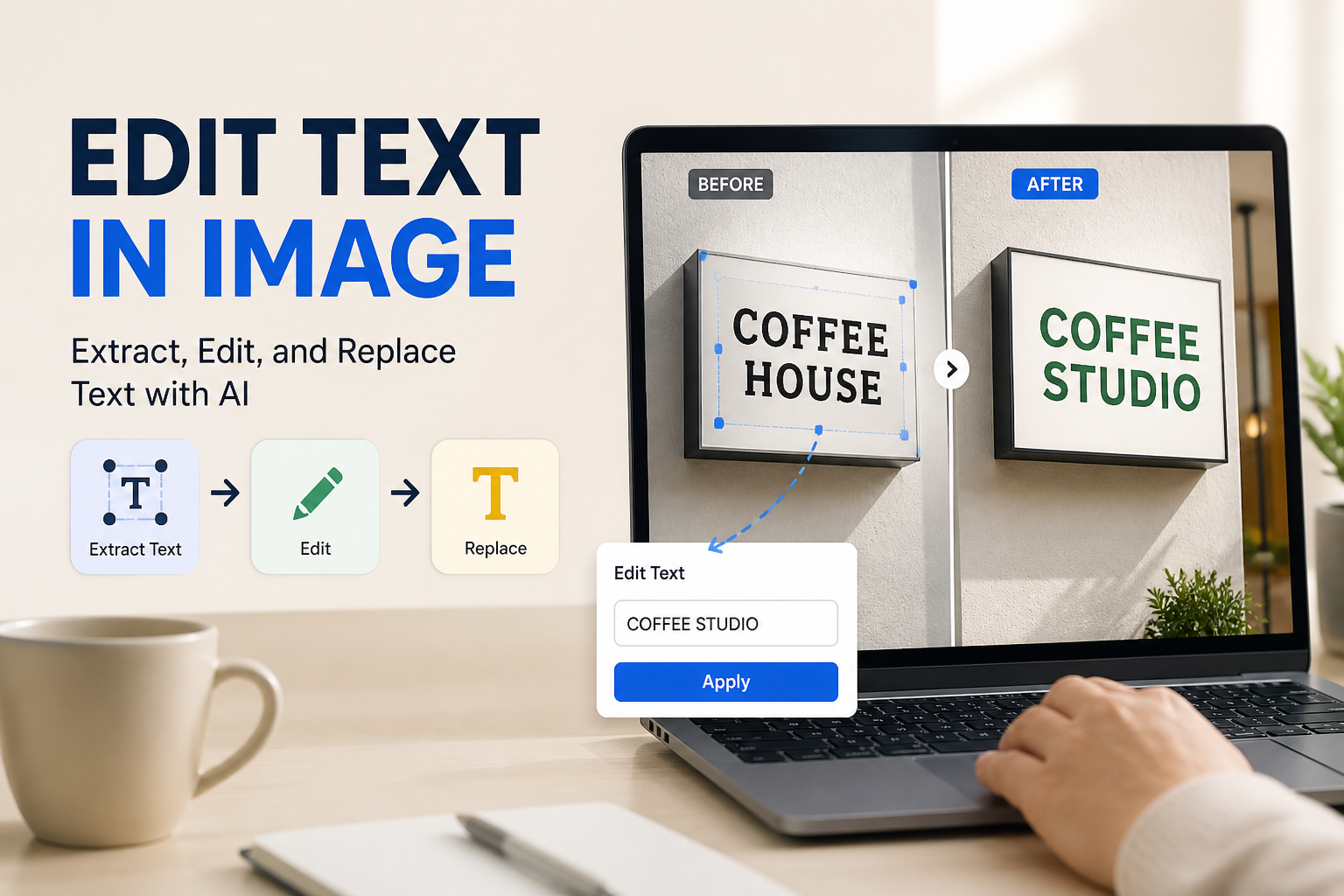
Effective teams use selective generation tools rather than full-frame image synthesis. By employing natural language editing to recolor backdrops, repaint surrounding props, or eliminate distracting visual clutter, the core product image remains structurally untouched. If an AI pass introduces unwanted artifacts or blurs essential packaging text, targeted inpainting and element removal restore the asset to full regulatory compliance before deployment to ad managers.
Building a Repeatable Growth Workflow with Rhinobird
Sustaining a competitive paid social strategy requires treating ad generation as an agile editorial pipeline rather than a series of disconnected design tasks. By establishing standard master cutouts, defining audience-focused contextual backdrops, and iterating video hooks systematically, growth teams can outpace creative fatigue while keeping customer acquisition costs disciplined. Rhinobird fits directly into this operating rhythm, enabling marketers to upload core packaging assets, modify backgrounds and design elements via conversational prompts, and produce localized 9:16 UGC or showcase video ads tailored to exact target markets, all while maintaining uncompromising product fidelity across every paid channel.