
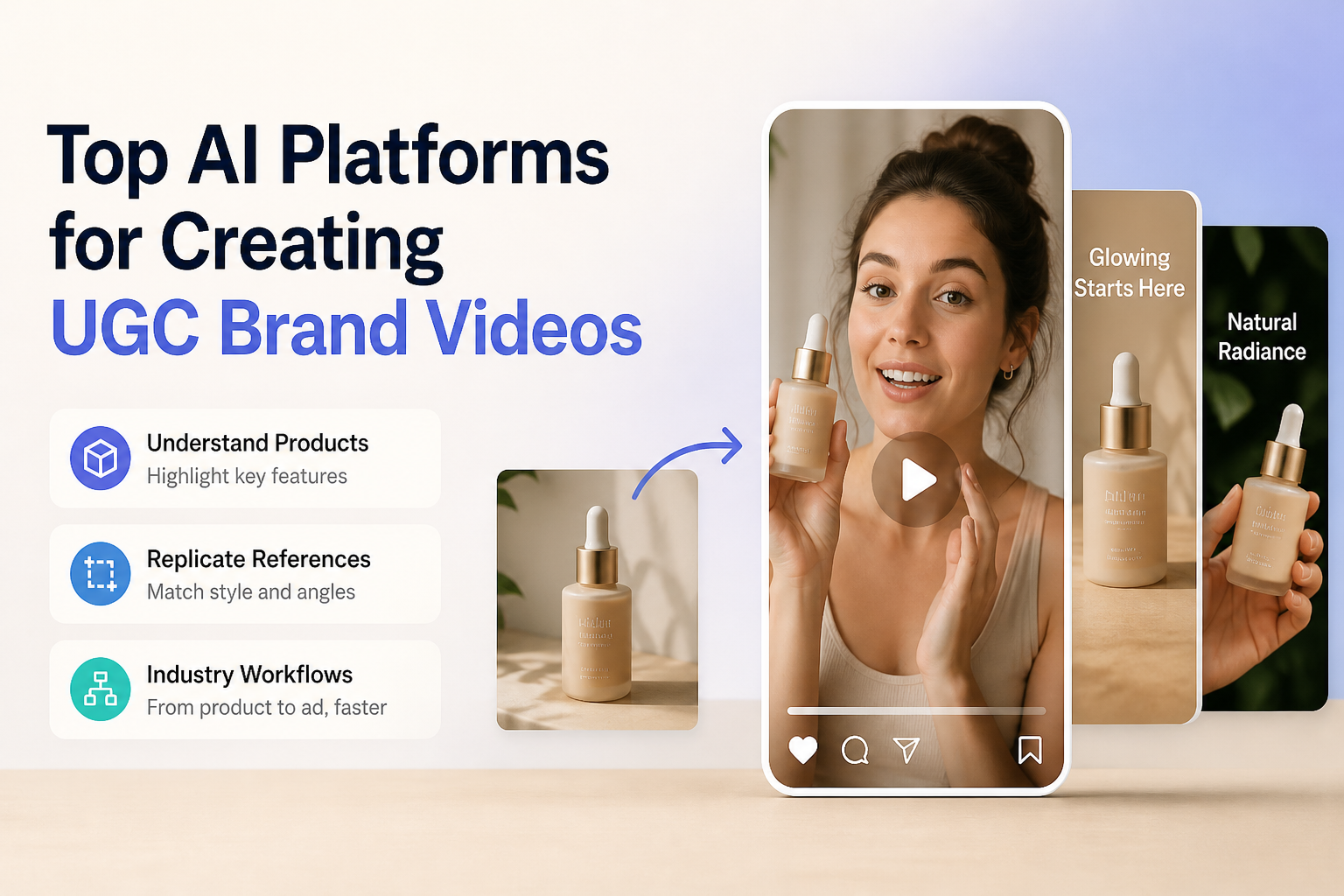
For direct-to-consumer operators and e-commerce marketers, scaling user-generated content (UGC) is rarely a question of whether AI can render a lifelike human face. The operational challenge starts the moment an ad creative requires a real SKU. Traditional AI video generators often excel at producing cinematic, single-shot visuals from descriptive text prompts, yet they struggle to anchor those visuals to an exact bottle, garment, or packaging design across multiple scenes. When an AI tool hallucinates label typography, changes a product’s silhouette halfway through a hook, or requires fifty prompt revisions just to hold a package upright, creative velocity stalls.
Selecting the right platform for UGC video production requires evaluating how a tool fits into an e-commerce campaign pipeline. Marketers do not need isolated video clips; they need conversion-focused creative assets built around an uncompromised product identity. Understanding how mainstream video engines compare with dedicated product marketing platforms reveals where each tool delivers practical value.
Single-Shot Generative Engines vs. Product-Centric Workflows
The landscape of AI video platforms broadly divides into two operational categories: generalist generative models and dedicated commerce creative suites. Identifying which model fits your current production sprint depends on what assets you already have and what creative control your brand guidelines demand.
General-Purpose AI Video Generators
Mainstream text-to-video and image-to-video platforms—such as Runway, Luma Dream Machine, and Pika—focus on motion quality, complex physics simulation, and atmospheric realism. In a brand creative context, their greatest strength is visual ambition. They can generate dynamic background textures, surreal brand worlds, and cinematic establishing shots that elevate high-concept campaigns.
However, when deployed for standard e-commerce UGC, these platforms demand substantial post-production workarounds. Because their foundational models prioritize general visual interpretation over strict commercial geometry, maintaining product fidelity is difficult. A prompt requesting a customer applying a specific facial serum may alter the bottle dimensions, warp the dropper design, or distort the printed logo from frame to frame. For brands that rely on prompt-only pipelines, these tools can introduce unpredictable revision cycles.
Commerce-Dedicated Creative Platforms
Commerce-oriented platforms structure their entire architecture around commercial assets. Instead of asking a model to invent a product from scratch, these systems accept high-resolution product photography as an absolute constraint. The workflow then builds the UGC scene around that verified merchandise, controlling regional presentation, aspect ratios, and format requirements tailored directly to ad channels like TikTok, Meta, and Amazon Video.
For teams managing high-volume SKU catalogs, this distinction determines turnaround time. A tool optimized for commercial workflows prioritizes character consistency, predictable hand-to-product interactions, and modular scripting over open-ended digital artistry.
Evaluating AI UGC Platforms: Core Decision Criteria
When assessing software for commercial video production, teams should look past viral social demos and evaluate platforms against four structural operational requirements:
- Product Understanding and Anchor Control: Does the platform allow you to feed an isolated product image and preserve brand-critical details like logos, package geometry, and packaging text, or does it redraw the item unpredictably?
- Reference Matching and Creative Mimicry: Can the tool mirror proven organic UGC pacing—such as unboxing, problem-and-solution demonstrations, or selfie-style testimonials—by using reference structures without forcing you to write complex, highly technical animation prompts?
- Targeted Regional and Demographic Controls: Does the interface support dedicated localized settings, allowing marketers to specify target languages, regional aesthetics, and culturally appropriate presenter styles to support global ad campaigns?
- Downstream Editing Versatility: Can assets be adjusted prior to or following generation—such as recoloring a variant, eliminating distracting design artifacts, or isolating backgrounds—within the same working environment?
Comparing Platform Strengths for Brand Marketing Teams
| Platform Type | Primary Operational Strength | Input Requirements | Best E-Commerce Use Case |
|---|---|---|---|
| Cinematic Text-to-Video Engines (e.g., Runway, Luma) | Advanced fluid motion, atmospheric backgrounds, and high-fidelity physics. | Descriptive text prompts, image starting frames, motion brush inputs. | Top-of-funnel brand films, conceptual mood assets, stylized background b-roll. |
| Talking-Head Avatar Platforms (e.g., HeyGen, Synthesia) | Precise script readouts, synchronized lip movements, corporate presentations. | Written script, selected stock avatar, voice profile selection. | Direct-response spokesperson explainers, localized customer support tutorials. |
| Commerce Marketing Engines (e.g., Rhinobird) | Rigid product preservation, reference replication, and multi-market e-commerce workflows. | Product packshot, category selection, target market parameters, style guidance. | High-velocity performance ad iterations, SKU-centric UGC hooks, cross-border localized variations. |
How Rhinobird Anchors Product Marketing Videos
Rhinobird approaches video creation not as an isolated graphic exercise, but as part of an integrated e-commerce creative workflow. Rather than forcing brands to rely on abstract text prompts to describe physical inventory, the platform is designed to understand products directly from source photography.
Within Rhinobird’s video creation interface, marketers upload an actual product image, categorize the merchandise, and specify whether the deliverable is a lifestyle UGC showcase or a focused product demonstration. The system allows users to define key contextual levers upfront, including target country, language, video dimensions suited for vertical or horizontal placements, specific generative models, and running duration. Integrated AI writing assistance helps outline hooks and messaging that align with typical retail engagement patterns, removing the friction of manual prompt engineering.
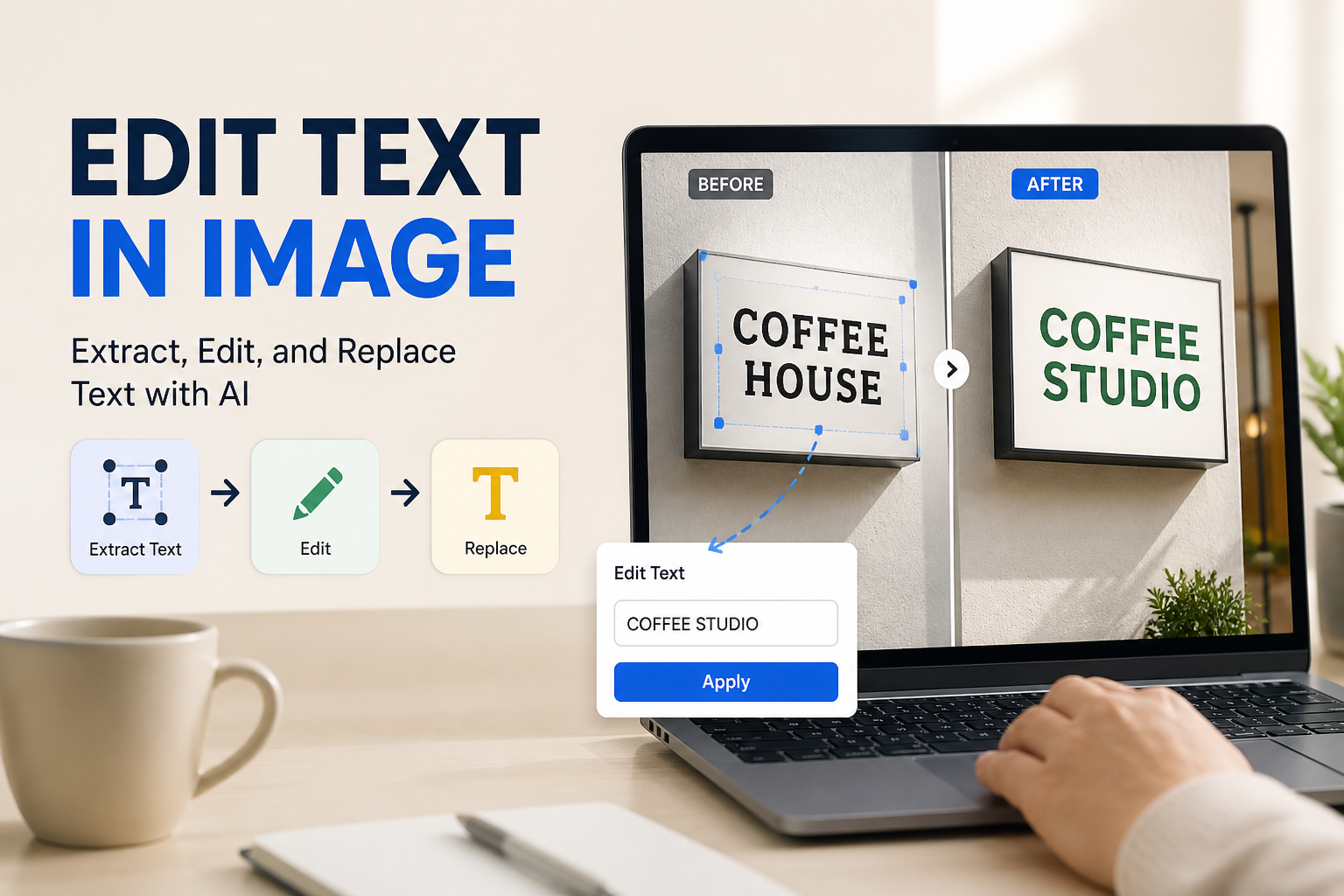
This workflow bridges directly into asset refinement. If an original packshot requires cleanup before video generation, Rhinobird’s built-in image editing tools allow teams to handle color adjustments, selective inpainting, and element elimination using natural language instructions. By unifying source-level image corrections with structured video generation parameters, creative teams can replicate high-performing UGC concepts across dozens of catalog variants without losing visual ownership of their product.
Building a Scalable UGC Video Production Pipeline
Selecting among the top AI video platforms requires balancing visual ambition against operational predictability. If your brand needs sweeping conceptual visuals for a seasonal launch film, generalist generative engines provide remarkable artistic range. If your primary objective is rapidly deploying authenticated, SKU-accurate UGC variations across multiple paid ad networks, prioritizing platforms built around commercial constraints is essential. Rhinobird provides the dedicated product understanding, localized parameter controls, and integrated editing capabilities necessary to turn static merchandise assets into cohesive marketing videos that respect your brand identity.